
 The Coach Space
Are inefficient workspaces, misplaced equipment, and recurring workflow delays quietly draining your team’s productivity? When employees waste time searching for supplies, overcoming access problems, or waiting for tasks to move forward, frustration grows, and operational costs rise. Discover how practical facility improvements, better access equipment, and measurable process changes can strengthen workplace culture, eliminate bottlenecks, and build operational excellence.
Connecting Culture to Physical Spaces
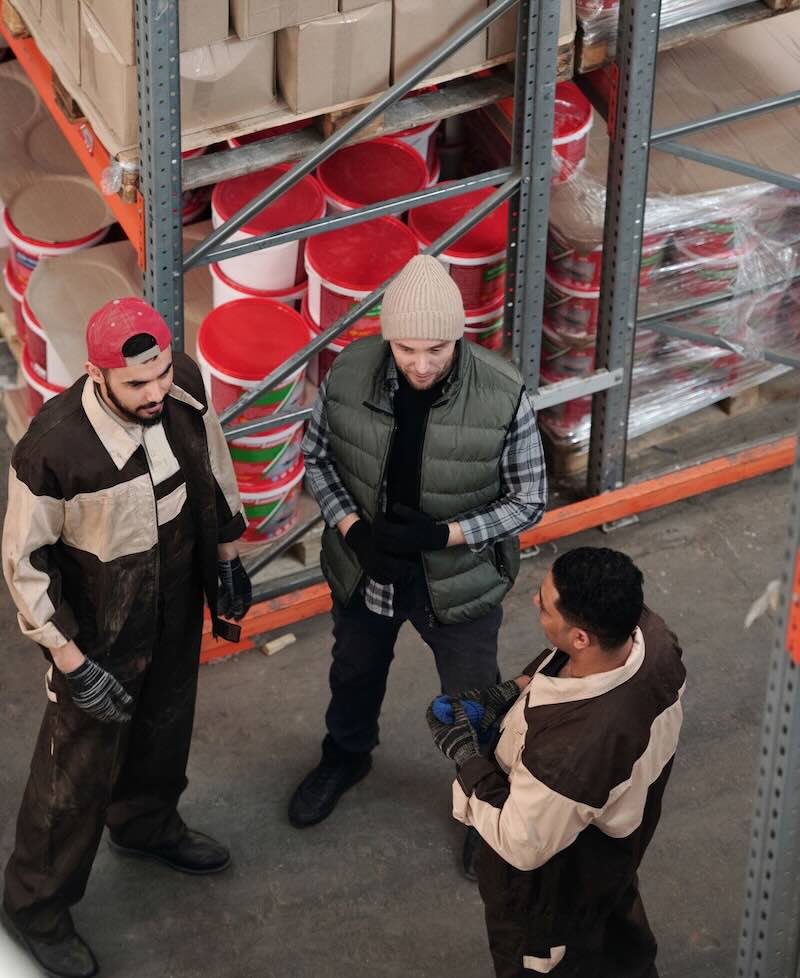
Workplace culture is reflected not only in values and leadership but also in physical surroundings. Organized spaces, clearly marked routes, and well-maintained equipment show employees that their time, safety, and working conditions matter.
This connection aligns with the established pillars of operational excellence, which include leadership, employee engagement, and continuous improvement. Employees need an environment that supports these ideas in practice. Asking a team to work efficiently while supplies are stored in inconsistent locations creates an obvious conflict between the stated goal and the actual workplace.
Start by observing how people use the facility during a normal shift. Look for repeated reaching, searching, waiting, and backtracking. Ask employees which physical obstacles slow them down most often. They may point to a workstation that lacks storage, a congested receiving area, or maintenance supplies kept too far from the equipment they support.
These observations can inform targeted changes. Move frequently used materials closer to the point of work, establish clear locations for shared tools, and make visual instructions easy to see. The principles in this guide to better workspaces also show how the physical environment can support concentration, collaboration, and business performance.
When employees see their feedback translated into visible improvements, trust grows. The facility then becomes part of the culture instead of a passive backdrop.
Upgrading Essential Access Equipment
Access problems often hide inside familiar routines. An employee may spend several minutes locating suitable equipment before inspecting elevated stock, checking a fixture, or completing a maintenance task. If this happens several times each day, the lost time quickly becomes part of operating costs.
Map every task that requires employees to reach an elevated work area. Record the task frequency, expected duration, working height, and materials carried. This task-based review helps you choose equipment based on actual use instead of relying on a general-purpose option for every situation.
For stable elevated access in commercial and warehouse settings, purpose-designed platform ladders can support routine work where employees need a defined standing area. The correct specification will depend on the facility layout, available floor space, and intended task. Consider guardrails, platform dimensions, load requirements, mobility, and storage before selecting equipment.
Placement matters as much as the product itself. If employees store access equipment at the far end of a large facility, they lose time retrieving it and may be tempted to improvise. Assign storage points near common work zones, keep travel routes clear, and label each item so employees can return it to the correct location.
Include condition checks in the operating routine. Employees should know how to report damage, instability, or missing parts immediately. Managers can also review equipment use during routine floor walks. These checks support the operational excellence process, where consistent standards and frontline participation turn individual improvements into dependable working practices.
Removing Daily Bottlenecks for Teams
A bottleneck occurs when work arrives faster than people, equipment, or processes can handle it. Common examples include waiting pallets, equipment shortages, approval delays, and unclear task handoffs.
Track a work item from arrival to completion, recording active and waiting time at each stage to identify delays and wasted time.
Address problems with practical changes, such as adjusting delivery schedules, using status boards to clarify priorities, and assigning charging areas for mobile equipment. Regularly review these changes with employees to ensure improvements remain effective as workloads and operational demands evolve.
The proven management concepts behind operational excellence emphasize clear goals, employee involvement, and disciplined improvement. Put those ideas into practice through short floor-level reviews. Ask what stopped work yesterday, what may stop it today, and who owns the response.
Keep the review focused on systems instead of blame. Employees are more likely to report recurring problems when they know the purpose is to improve the process. Once a change is tested, document the new method and check that it still works after several weeks. A temporary improvement has little value if the old delay quietly returns.
Measuring Long-Term Performance Gains
A cleaner facility or faster workflow may feel better immediately, but reliable measurement shows whether an improvement lasts. Choose a small set of indicators tied directly to the change. Too many metrics create extra administration and make the results harder to interpret.
Measure upgrades using task completion and equipment retrieval times, reported defects, and schedule delays. For receiving areas, track unloading time, queue length, misplaced inventory, and overtime, recording baseline figures before making changes.
Review both leading and lagging indicators. Leading indicators show whether teams are following the practices expected to produce a result. Examples include completed inspections, employee improvement suggestions, and adherence to designated storage locations. Lagging indicators reveal outcomes such as order accuracy, downtime, and labor hours per unit.
Modern operational efficiency methods also connect process improvement with technology and real-time data. Digital dashboards can help, but they should answer practical questions. A dashboard that shows average performance across an entire month may conceal a recurring delay on one shift. Break results down by work area, task type, or time period when that detail can guide action.
Set a review rhythm that matches the process. Teams might discuss immediate workflow measures each week while leaders examine cost, quality, and productivity trends monthly. If performance slips, return to the floor before changing the target. Equipment may have moved, demand may have changed, or the original procedure may no longer fit the work.
The clearest sign of progress is a facility where standards remain visible after the initial project ends. Equipment stays in its assigned place, employees raise issues early, and managers can connect physical improvements to specific gains in time, quality, and output.

Add comment