
 The Coach Space
Production targets can push a facility’s equipment, schedules and utility budget in competing directions. A plant may need to increase throughput quickly while keeping energy use per unit within a defined range. If managers focus on only one side of that equation, they can create higher operating costs, missed orders or unreliable equipment.
The practical answer is to connect energy decisions with production planning. That means tracking when and where power is consumed, checking whether auxiliary equipment fits actual process demand and giving operations and maintenance teams shared performance measures. This approach keeps efficiency work grounded in the realities of the production floor.
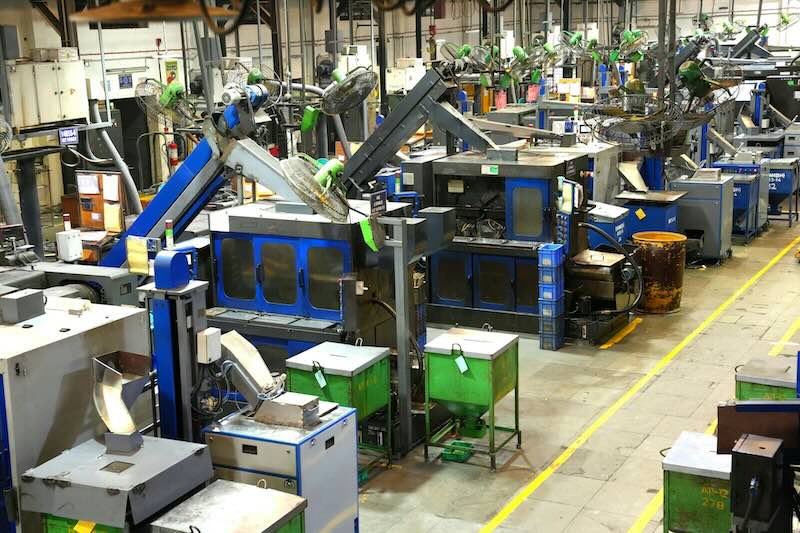
Balancing High Output With Energy Targets
Start with energy intensity, which measures energy use against a production unit such as a ton of material, a finished part or an operating hour. Total energy use may rise during a busy month even though the facility becomes more efficient. If production rises 20 percent while energy consumption rises 8 percent, the plant has improved its energy performance per unit.
That distinction matters when setting goals. A fixed monthly consumption ceiling can discourage teams from accepting valuable orders or running an efficient second shift. A normalized target accounts for output, product mix, weather and operating hours. Balancing high-output manufacturing with lower energy use requires efficiency targets that reflect actual production conditions rather than treating energy consumption in isolation.
Build a baseline from at least 12 months of utility and production data. Separate planned downtime, unusual weather events and major product changes so they don’t distort the comparison. Then review energy intensity by shift, line or batch where metering allows it.
For example, a facility may discover that its weekend shift uses 14 percent more energy per unit. The cause might be extended warm-up time, smaller production runs or equipment left operating between batches. Addressing that specific pattern is more useful than issuing a broad instruction to reduce consumption.
Targets should also reflect operational limits. Record the minimum stable load for major systems and identify the output range where each line performs most efficiently. Schedulers can then group similar orders, reduce frequent changeovers and avoid running several lines at low loads when one line could handle the work.
Evaluating High-Draw Auxiliary Hardware
Fans, pumps, compressors and material handling systems often receive less attention than primary production equipment, yet they can account for a significant share of facility demand. Their energy use may remain high even when process output falls, especially if controls rely on dampers, valves or fixed-speed operation.
Evaluate this hardware under real operating conditions. Nameplate ratings describe maximum capability, but they don’t show how a component performs across a typical week. Record motor load, flow, pressure and operating hours at several production levels. Trend the data long enough to capture startups, product changes and low-demand periods.
In industrial boiler systems, properly selected boiler fans can support stable combustion airflow, draft control and flue gas handling. Plant managers and operations engineers should compare required airflow and pressure with the fan’s actual operating point. An oversized unit that spends most of its time heavily restricted can waste energy and create avoidable maintenance demands.
Before replacing equipment, inspect the full system. Dirty filters, worn belts, leaking ducts and obstructed flow paths can make a sound machine appear inadequate. Correcting those issues may restore performance at a much lower cost.
If replacement is justified, prepare a load profile instead of sizing solely for the highest theoretical demand. Ask suppliers for efficiency data across the expected operating range. Controls also deserve close attention. Variable-speed operation may produce meaningful savings when demand changes often, while a steady process may benefit more from accurate sizing and reduced system resistance.
Resolving Conflicting Priorities
Energy projects can stall when departments are measured against different outcomes. Production may focus on daily volume, maintenance on uptime and finance on short payback periods. Energy managers may be expected to reduce consumption without affecting any of those measures. A shared decision process brings those priorities into the same conversation.
First, define the operating requirement that cannot be compromised. It might be minimum output, product quality, worker safety or delivery timing. Next, calculate the energy and cost effects of the available options. Comparing production requirements with energy costs helps teams treat efficiency as part of operational planning rather than as a separate environmental target.
The same discipline applies to setting clear priorities when demands compete. When every request is treated as equally urgent, teams can spread resources too thin and lose sight of the objectives that matter most.
Use a limited trial when the outcome remains uncertain. For example, a plant considering revised shutdown settings could test them on one line for four weeks. Track restart time, rejected units, maintenance calls and kilowatt-hours per production unit. If the setting reduces idle consumption without delaying the first acceptable batch, the evidence supports a wider rollout.
Capital requests also need more than a simple energy payback. Include avoided downtime, maintenance hours, replacement parts and capacity gains. An efficient motor or control upgrade may save $20,000 in annual energy costs, but its stronger business case could be fewer overheating events during peak production.
Long-term energy strategies for industrial manufacturers should also account for planned growth. Equipment that works well at the current load may become a constraint after a new line opens. Operations, engineering and finance should review major decisions together so short-term savings don’t create a larger capacity problem.
Measuring Holistic Facility Performance
A useful dashboard connects energy, production, quality and reliability. Looking at utility consumption alone can hide a production slowdown, while reviewing output alone can hide expensive operating practices. A small set of linked measures gives managers a clearer picture.
Track energy use per production unit alongside total output, first-pass yield, unplanned downtime and operating cost. Add measures tied to major systems when they affect the facility’s goals. These might include compressed air pressure, boiler efficiency, fan motor load or peak electrical demand. Limit the main dashboard to metrics that prompt a decision. Detailed engineering data can remain available for diagnosis without crowding the daily review.
Applying production optimization methods can help teams connect process changes with measurable improvements in output, efficiency and reliability.
Compare performance at consistent intervals. Shift-level data helps supervisors catch operational changes quickly, while monthly data reveals seasonal patterns and the effects of maintenance work.
Context belongs beside every number. A sudden increase in energy per unit may come from a smaller batch, a difficult product specification or a restart after planned maintenance. Ask supervisors to record these events in a shared log. Analysts can then distinguish normal variation from a developing problem.
Set action thresholds for the most useful measures. If energy intensity exceeds the baseline by 7 percent for three consecutive shifts, assign someone to review idle time, equipment loading and process settings. If peak demand approaches a contracted limit, scheduling can move a flexible process to another hour.
Facility performance improves when every metric has an owner and a response. A dashboard that merely reports last month’s results won’t change operations. One that connects a deviation to a specific inspection, scheduling review or maintenance task can protect output while keeping energy goals credible.
The strongest sign of progress is a production plan that includes energy limits from the start. When the next high-volume order arrives, the team should already know which lines run efficiently at that load, which auxiliary systems need adjustment and which measures will confirm that the plan worked.


Add comment