
 The Coach Space
A damp-feeling room often points to more than a closed window or a slow bathroom fan. Moisture can enter through plumbing, walls, floors, and even everyday household activities. Since several causes produce the same clammy air or musty smell, the best fix starts with identifying where the moisture comes from.
Watch for patterns. A room that feels damp only after a shower has a different problem from one that stays humid all day or develops a wet patch after rain.
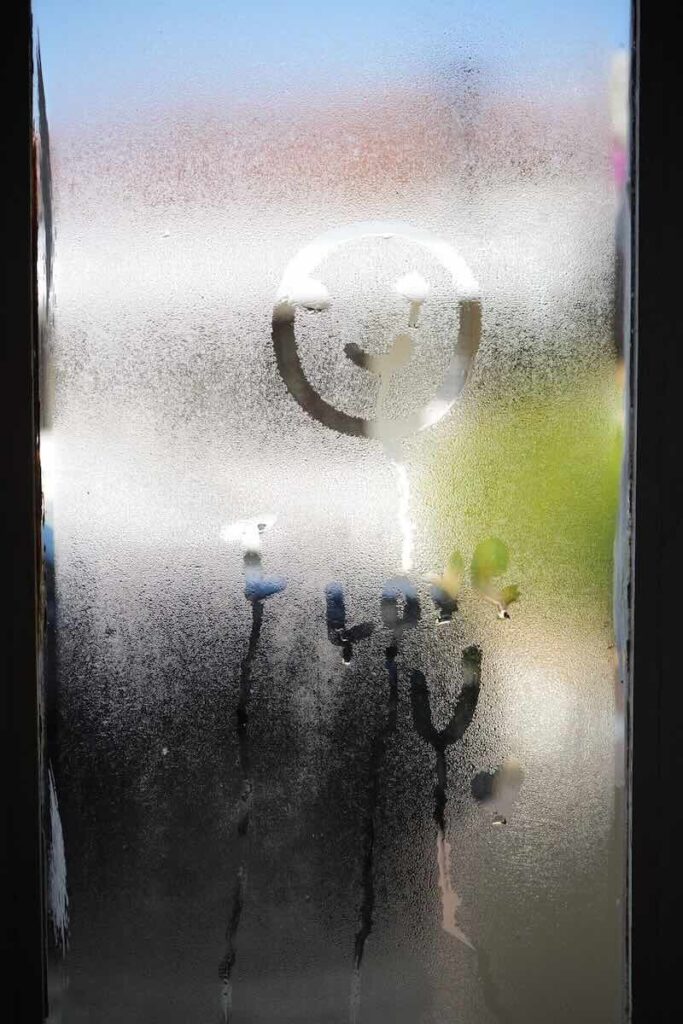
Start by measuring the humidity
Your senses can alert you to dampness, but a small digital hygrometer gives you a clearer picture. Indoor relative humidity generally feels comfortable between 30% and 50%, though seasonal conditions affect the reading.
Place the meter away from windows, vents, and direct sunlight. Take readings in the morning and evening for several days. If one room regularly reads above 60% while the rest of the home stays lower, the issue may be local. Similar readings throughout the property suggest a wider source, such as weather conditions, heating and cooling performance, or moisture rising from below.
Check for hidden plumbing leaks
A small plumbing leak can release moisture without creating an obvious puddle. Water may travel along a pipe, soak into insulation or spread behind drywall before any stain appears. Clues include peeling paint, warped flooring, a cabinet that smells musty, or a water meter that moves while every fixture is off.
If the dampness stays concentrated near a bathroom, kitchen, utility area, or wall containing pipes, professional leak detection can help locate the source with non-invasive methods. This is especially useful when you suspect a leak beneath a floor or behind a finished surface. Early investigation limits the amount of material that may need drying or repair.
Look beyond windows and fans
Ventilation matters, but indoor moisture can build up for several other reasons. Frequent cooking, long showers, indoor clothes drying, and large numbers of houseplants all release water vapor. An oversized cooling system may also lower the temperature too quickly to remove enough moisture from the air.
This overview of common household humidity causes highlights how cooling equipment and routine activities can affect indoor conditions. Try tracking when the room feels worst. Dampness that increases during cooking or laundry points toward household moisture production. If it becomes noticeable whenever the cooling system runs, ask a qualified technician to check system sizing, drainage, and dehumidification performance.
Inspect the building itself
Rainwater and ground moisture can enter through gaps that are easy to miss. Check around window frames, roof penetrations, and exterior doors after a storm. In lower-level rooms, look for white powdery deposits on masonry, bubbling paint, or dark marks along the base of a wall. Those signs may indicate moisture moving through concrete or brick.
Outside, confirm that roof drainage carries water away from the building and that soil slopes away from the foundation. In rooms above crawl spaces, damaged vapor barriers or damp soil can raise indoor humidity. Condensation may also form where warm air meets a cold wall or pipe, particularly inside closets and behind large furniture where air moves slowly.
Dry the room without hiding the cause
A dehumidifier can make a damp room more comfortable while you investigate, but it shouldn’t become a permanent substitute for repairing the source. Set the unit near the center of the room, keep doors and windows closed during operation, and empty or drain it as directed. Clean the filter regularly so airflow remains steady.
Move furniture a few inches away from outside walls and dry visible moisture promptly. If porous materials such as carpet padding or drywall remain wet, arrange an assessment before covering or repainting them. Persistent musty odors, recurring stains, and humidity that quickly returns after drying all suggest an active moisture source.
Record humidity readings, weather conditions, and where dampness appears. That simple log can reveal whether the trigger is rain, household activity, cooling cycles, or plumbing use. Once the pattern is clear, you can address the source instead of repeatedly drying the same room.


Add comment