
 The Coach Space
The importance of robust emergency preparedness in aged care facilities has never been more pronounced. As we move into 2026, the aged care sector faces evolving hazards—ranging from natural disasters and outbreaks to technological disruptions and complex public safety threats. Older adults often exhibit heightened vulnerabilities due to chronic medical needs, cognitive impairments, or mobility limitations, necessitating tailored crisis prevention strategies and comprehensive emergency training for both caregivers and staff.
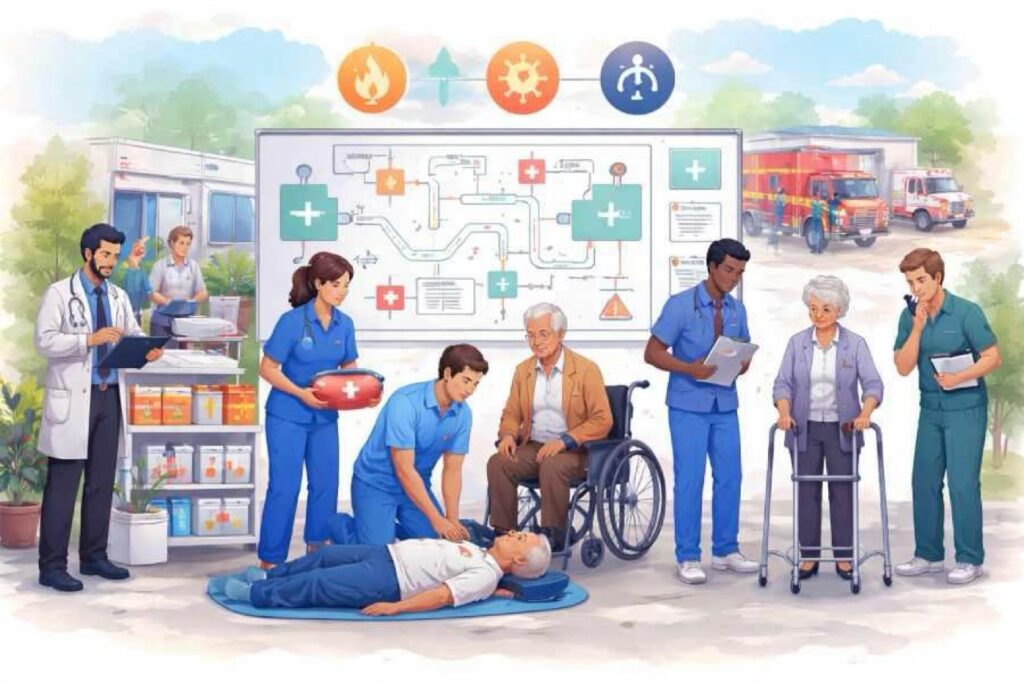
Organisational risk is not merely theoretical; it’s a real and present threat. The surge in climate-related emergencies and increased social isolation among the elderly stress the importance of resilient support networks and rapid communication plans. In addition to safeguarding residents, proactive emergency preparedness also strengthens staff competence in de-escalation, behaviour management, and crisis prevention techniques aligned with best practices from leaders such as the Crisis Prevention Institute (CPI) and the Safety Intervention Foundation.
Compliance and Standards: 2026 Regulatory Expectations
Adhering to evolving regulatory frameworks is essential for aged care providers. In 2026, both federal and state agencies, such as FEMA in the United States and the Australian Aged Care Quality and Safety Commission, have significantly raised accreditation standards regarding disaster preparedness and emergency training.
Mandated Training and Documentation
Regulations now require a documented, annually reviewed emergency plan that incorporates disaster response protocols, evacuation strategies, and shelter resources. Accreditation bodies mandate that all aged care staff, including caregivers and allied health professionals, complete role-specific emergency training modules covering first aid, CPR, and clinical holding skills. The Crisis Prevention Institute and Dementia Capable Care provide accredited courses on safety intervention, verbal intervention, and dementia care—ensuring that risk behaviours can be managed safely and effectively.
Key Documentation Requirements
- Training programme schedules and attendance records
- Evidence of scenario-based drills and after-action reviews
- Updated the emergency contact list and emergency contact cards for residents
- Documented incident command protocols
- Risk assessments addressing hazard mitigation and prevention first principles
Providers are also expected to maintain up-to-date hazard mitigation plans, financial planning documentation (including insurance coverage), and accessible emergency supplies lists, including medications and assistive items tailored to individual medical needs. Visit Metrofire for additional details.
Designing an All-Hazards Training Program
Role-Based Competencies
Training should be differentiated according to staff responsibilities:
- Frontline caregivers: First aid, CPR, de-escalation, clinical holding, dementia-informed safety intervention techniques.
- Nursing and medical staff: Advanced risk assessment, medication management during disasters, and record-keeping protocols.
- Administrators and managers: Emergency plan oversight, communication plan execution, insurance and financial planning, and coordination with support networks.
Curricula and Content
Curricula must include modules on behaviour management, verbal intervention, emergency alerts, hazard mitigation, and disaster recovery procedures, with scenario-specific tracks for infectious outbreak control, extreme weather, power/cyber failures, and evacuation versus shelter-in-place response.
Delivery Methods
- Drills and Simulations: Frequent, realistic drills (e.g., evacuation, fire, lockdown) to practice disaster response and emergency plan execution.
- E-learning and Classroom Modules: Online training for flexibility, integrated with in-person workshops facilitated by organisations such as the Red Cross, Safety Pod, and Save the Children.
- Tabletop Exercises: Interactive sessions testing communication plans, emergency contact lists, and coordination with community response plans.
- Onboarding and Refresher Courses: Scheduled upon hire, annually, and after significant incidents.
Scheduling Frequency
Best practice dictates quarterly drills, with content rotation to ensure coverage of all plausible scenarios and reinforcement of essential safety and crisis prevention skills.
Exercising the Plan: Drills, Scenarios, and Improvement
Scenario Design
- Disease Outbreaks: Infection control, isolation protocols, continuity of care for residents on complex medication regimens, and clinical holding responses.
- Extreme Weather: Fire, flood, and heatwave response, including evacuation logistics and hazard mitigation for older adults with mobility challenges.
- Power and Cyber Failures: Maintaining essential medical equipment, secure handling of medical information, and backup communication plans.
From Tabletop to Full-Scale Drills
Utilise a progression:
- Tabletop Exercises: Test staff response, communication chains, and incident command protocols in a low-stakes environment.
- Functional Exercises: Focus on specific areas such as evacuation or disaster recovery, measuring coordination between caregivers, support networks, and external agencies like the International Federation of Red Cross and Red Crescent Societies.
- Full-Scale Drills: Simulate real events with actors and full resources deployed, challenging every aspect of the organisation’s emergency preparedness and response.
After-Action Reviews and Continuous Improvement
Each exercise is followed by an after-action review (AAR), documenting lessons learned, gaps in protocol, and actions for continuous improvement. Key benchmarks include:
- Timeliness and effectiveness of emergency alerts
- Availability and management of emergency supplies and emergency kits
- Communication effectiveness with residents’ families and external partners


Add comment