
 The Coach Space
Crocheting can be a calming outlet that keeps your hands busy and your mind engaged. But when arthritis or joint pain enters the picture, something you love can start to feel frustrating or even painful. The good news is that with a few thoughtful adjustments, you can continue crocheting comfortably and keep it enjoyable for years to come.
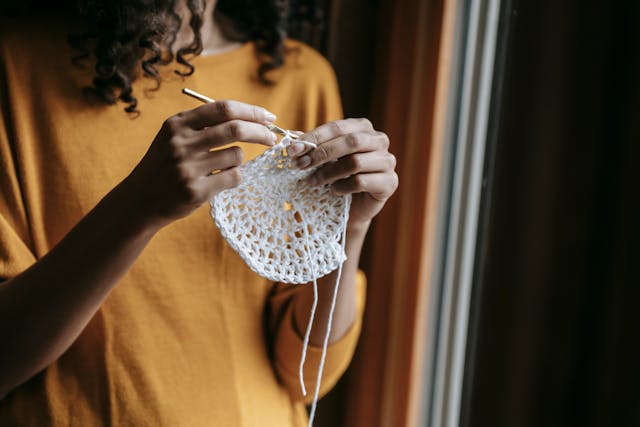
Understanding the Impact of Arthritis on Crochet
Arthritis affects the joints by causing inflammation, stiffness, and a reduced range of motion. For crocheters, this can show up as aching fingers, sore wrists, or difficulty gripping a hook for extended periods. Repetitive hand movements can aggravate symptoms if proper care isn’t taken.
Managing joint stress and incorporating supportive habits into daily activities can significantly reduce discomfort. Crocheting doesn’t have to be off the table, but it might need a more mindful approach.
Choosing Tools That Work With You
One of the easiest ways to keep crocheting enjoyably is by upgrading your tools. Ergonomic crochet hooks are designed with larger, cushioned handles that reduce strain on your fingers and wrists. These hooks allow for a more relaxed grip, which can make a noticeable difference during longer sessions.
Yarn choice also matters more than many people realise. Softer, smoother yarns glide more easily through your fingers, reducing friction and resistance. Heavier yarns may also be easier to manage because they require fewer stitches to complete a project, which means less repetitive motion overall.
Wearing compression gloves or wrist supports can stabilize your joints and support healthy circulation, and supportive tools such as compression wear from Copper Fit can play a helpful role in maintaining both comfort and consistency. Many crocheters find that light compression provides enough support to ease stiffness without restricting movement, making it easier to maintain a steady rhythm.
Pacing Yourself Without Losing Momentum
It’s tempting to crochet for hours when you’re in the flow of a project, but pacing is essential when dealing with arthritis. Shorter, more frequent sessions are often more effective than long stretches that leave your hands feeling fatigued.
Taking breaks every 20 to 30 minutes allows your joints to rest and reset. During these breaks, gently stretching your fingers and wrists can help reduce stiffness. Simple movements like opening and closing your fists or rotating your wrists can keep your joints mobile and prevent discomfort from building up.
Creating a Comfortable Crochet Setup
Your environment plays a bigger role than you might think. Sitting in a supportive chair with good posture can reduce strain on your back, shoulders, and arms, which ultimately affects your hands.
Proper lighting is another key factor. When you can clearly see your stitches, you’re less likely to tense your hands or grip your hook too tightly. Natural light or a bright, adjustable lamp can make your workspace more comfortable and reduce unnecessary strain.
Keeping your supplies organized and within easy reach also minimizes repetitive reaching or awkward movements. Small adjustments like these can add up to a more enjoyable crocheting experience.
Listening to Your Body
One of the most important habits you can develop is tuning in to what your body is telling you. Mild discomfort may be manageable, but sharp or persistent pain is a sign to stop and rest. Ignoring these signals can lead to increased inflammation and longer recovery times.
On days when your joints feel particularly stiff, consider working on smaller or simpler projects that require less effort. This allows you to stay engaged with your hobby without overexerting yourself. Crocheting should feel rewarding, not exhausting.
It’s also helpful to recognize that your pace may change over time, and that’s okay. Slowing down simply means adapting in a way that supports your long-term enjoyment.
Staying Positive and Creative
Arthritis can sometimes feel limiting, but it doesn’t have to take the joy out of crocheting. Many people find that adapting their approach actually deepens their appreciation for the craft. Focusing on the creative process rather than speed or output can make each project more meaningful.
Exploring new patterns, textures, or techniques can also keep things exciting. When you shift your mindset from “How much can I finish?” to “How much can I enjoy?”, crocheting becomes less about productivity and more about relaxation and self-expression.
Connecting with other crocheters, whether online or in person, can also provide encouragement and inspiration. Sharing experiences and tips with others who understand your challenges can make the journey feel less isolating.
Making Crocheting Sustainable for the Long Run
Keeping crocheting fun when you have arthritis is all about sustainability. Small, thoughtful changes like using ergonomic tools, wearing supportive gear, pacing your sessions, and creating a comfortable workspace can make a significant difference over time.
With the right approach, crocheting can remain a soothing and fulfilling part of your routine that adapts to your body rather than working against it, so your creativity never has to take a back seat.


Add comment