
 The Coach Space
When we think about personal development, we often focus on mindset shifts, goal setting, and behavior change. But there’s an often-overlooked element that can dramatically influence how we feel, think, and perform: our senses.
The environments we create what we see, hear, and even smell play a powerful role in shaping our emotional state and mental clarity. For coaches and individuals alike, tapping into sensory cues can unlock a deeper level of transformation.
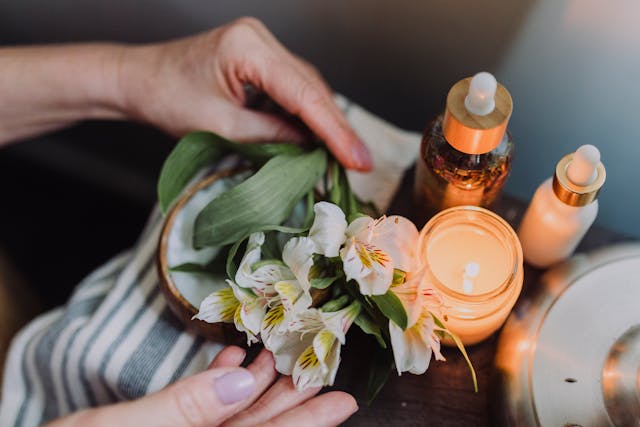
One surprisingly effective tool in this space is scent. Certain fragrances have the ability to evoke memories, shift moods, and even boost confidence. Think about how a familiar scent can instantly transport you back to a moment in time or change your emotional state within seconds. This isn’t just poetic it’s neuroscience.
The olfactory system is directly linked to the brain’s limbic system, which governs emotions and memory. That means scent can be used intentionally as a trigger for positive states, making it a valuable addition to any personal growth toolkit.
Why Sensory Cues Matter in Coaching
In coaching, creating lasting change often depends on repetition and reinforcement. Sensory anchors like a specific scent, song, or visual cue can help reinforce new habits and emotional states. When a client associates a particular fragrance with confidence or calmness, for example, they can use it as a shortcut to access that state in challenging situations.
Imagine a client preparing for a high-stakes presentation. By consistently using the same scent during practice sessions where they feel confident and prepared, they can later use that same scent on the day of the presentation to trigger those feelings again. It’s a subtle but powerful way to bridge the gap between preparation and performance.
The Science Behind Scent and Emotion
Research shows that smell is the only sense that bypasses the thalamus and goes directly to the brain’s emotional center. This is why scent can evoke such vivid memories and strong emotional responses. Unlike visual or auditory cues, which are processed more analytically, scent operates on a more instinctual level.
For coaches, this opens up a unique opportunity. By helping clients identify scents that resonate with positive experiences or desired emotional states, they can create personalized anchors that support growth and resilience. It’s not about masking emotions, but about creating supportive environments that make it easier to access the right mindset.
Practical Ways to Use Scent as an Anchor
Incorporating scent into your personal development routine doesn’t have to be complicated. Here are a few practical ways to get started:
1. Create a “State Scent”
Choose a fragrance that you associate with a specific emotional state: calm, focus, confidence, or energy. Use it consistently when you’re in that state, whether during meditation, journaling, or deep work sessions. Over time, your brain will begin to associate the scent with that feeling.
2. Use Scent in Transition Moments
Transitions like starting work, ending the day, or preparing for a meeting are ideal times to use sensory cues. A quick spritz or a scented candle can signal to your brain that it’s time to shift gears.
3. Pair Scent with Visualization
Visualization is a common coaching technique. Pairing it with scent can enhance its effectiveness. As you visualize a successful outcome, introduce your chosen fragrance. This creates a multi-sensory experience that reinforces the mental image.
4. Build a Ritual Around It
Rituals are powerful because they create consistency. Whether it’s a morning routine or a pre-performance ritual, incorporating scent can make it more impactful and memorable.
Real-Life Application: A Coaching Perspective
Consider a client working through imposter syndrome. They may intellectually understand their value, but still struggle to feel confident in high-pressure situations. By introducing a sensory anchor like a specific fragrance used during moments of self-assurance they can begin to bridge that gap.
During coaching sessions, the client might reflect on past successes while wearing the scent. Over time, the fragrance becomes linked with those empowering memories. When faced with a challenging situation, using that same scent can help them reconnect with their confidence more quickly and authentically.
Beyond Scent: A Holistic Sensory Approach
While scent is a powerful tool, it works best as part of a broader sensory strategy. Lighting, sound, and even texture can all contribute to the environment you create for growth. Coaches can guide clients in designing spaces that support their goals whether it’s a calming corner for reflection or an energizing workspace for productivity.
The key is intentionality. Rather than leaving your environment to chance, you can design it to support the states you want to access more often.
Making It Personal
Not every scent will resonate with every person, and that’s the point. Personalization is what makes sensory anchors effective. What feels calming to one person might feel distracting to another. The goal is to explore and experiment until you find what works for you.
This process can also be a form of self-discovery. As you pay closer attention to how different sensory inputs affect you, you gain a deeper understanding of your own preferences, triggers, and emotional patterns.
Conclusion
Personal growth isn’t just about changing your thoughts, it’s about shaping your entire experience. Incorporating sensory elements like scent into your routines and coaching practices creates powerful anchors that support lasting transformation. It’s a simple yet profound shift: instead of relying solely on willpower, you’re leveraging your environment to work with your brain, not against it.


Add comment