
 The Coach Space
Today’s workers expect more than just a paycheck – and small business owners are often in a unique position to deliver what really counts. Without massive budgets or formal HR departments, small teams can still build powerful, people-first work environments that go beyond surface-level perks.

Forget ping-pong tables and branded water bottles. The best employee perks are the ones that show care, reduce stress, and make people’s daily lives better – both inside and outside of work.
Let’s look at some meaningful perks that don’t just check a box but actually help your team feel valued, supported, and more likely to stick around.
Wellness That Goes Beyond a Gym Discount
Supporting your team’s physical and mental wellbeing doesn’t have to mean building a fancy wellness program. In fact, smaller gestures – when done with intention – can go a long way in showing employees that their health matters.
More and more small businesses are starting to think locally and practically when it comes to wellness perks.
Why Chiropractic Care Is a Smart Addition
One highly underrated but increasingly appreciated perk is chiropractic support. Especially for service-based teams – like hairdressers, baristas, retail workers, or warehouse staff – back and neck strain is a daily issue. Office teams aren’t exempt either.
Sitting long hours or working from improvised home setups leads to stiffness, headaches, and reduced focus.
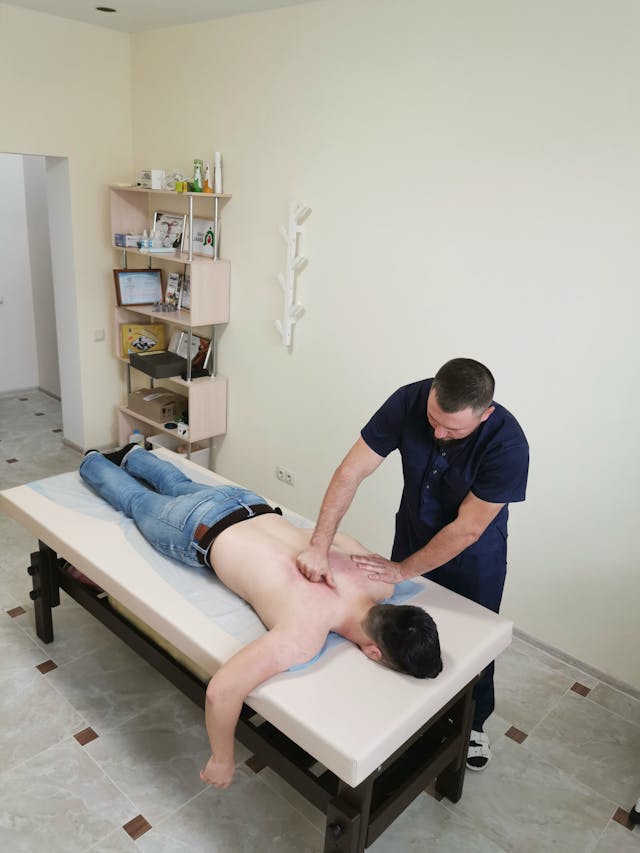
Offering monthly visits with a trusted local chiropractor – or covering part of the cost for ongoing care – shows your employees you’re invested in their physical longevity, not just their short-term output.
It’s a win-win: workers feel better, miss fewer days, and may even perform more confidently when their body isn’t working against them. Chiropractors can also flag posture and ergonomics issues early, helping you build a more physically sustainable workplace.
Flexible Health Spending Is Powerful Too
If full health benefits aren’t in the cards yet, consider a modest monthly health or wellness allowance. Even $50–$100 a month earmarked for bodywork, therapy, or fitness classes gives employees control and reinforces that their wellbeing is worth investing in – even if they don’t have traditional coverage.
Many small business owners report that these targeted, flexible perks feel more personal than generic health plans – and employees agree.
Creating a Culture of Care Without Overspending
You don’t need a corporate-level benefits package to create a team culture that people want to be part of. Sometimes the most impactful perks are those that acknowledge the day-to-day challenges of real life.
Think about your team’s actual needs – commutes, childcare, aches, routines – and look for ways to offer practical support.
Time Is One of the Most Valued Perks
Flexible scheduling or the option to occasionally work from home (even just a few hours a week) can make a huge difference for your team’s mental clarity and loyalty. Small businesses often have more scheduling agility than larger companies – and it’s a major retention tool.
Your team doesn’t need full remote privileges to benefit. What matters is giving them some autonomy in shaping their workweek, which builds trust and lowers burnout.
Support That Shows You’re Paying Attention
Beyond policies, your team notices when you acknowledge their real-life stressors. Offering rideshare vouchers during winter months, rotating in sit-stand desks, or letting someone leave early for a medical appointment without guilt – these are all forms of support that cost little but signal a lot.
It’s not always about adding more. Sometimes it’s about removing friction – and that’s a perk in itself.
Support for Families and Caregivers: A Quiet Loyalty Builder

Many employees in small businesses are balancing more than just work. They’re caregivers – raising kids, supporting elderly parents, or managing unique family obligations that rarely fit into a standard 9-to-5 schedule.
Small businesses can’t always afford formal parental leave policies or subsidized daycare, but there are still impactful ways to show that family life isn’t seen as a burden – but as part of life.
Flexibility for School Runs and Sick Days
Allowing a parent to shift hours to accommodate school drop-offs or work from home when a child is sick sends a clear message: you trust them. That flexibility costs the business almost nothing but builds immense goodwill.
It’s also a practical decision. When employees aren’t constantly worried about how to juggle work and family, they show up more fully and focus better.
Documenting these arrangements – so that they’re accessible and not just informal favors – also helps create a fairer and more sustainable culture.
Practical Family Perks That Actually Help
Small things can mean a lot:
- Offering an annual back-to-school bonus (even $100–$200 per child)
- Partnering with local childcare or tutoring services for discounts
- Giving parents paid time off for school meetings or performances
- Allowing employees to bring children in on certain days when emergencies arise
These aren’t just perks – they’re relationship builders. They demonstrate that your business sees employees as whole people, not just roles.
Growth Opportunities Without Corporate Layers

People stay when they feel like they’re growing. In a small business, you might not offer a giant promotion ladder – but that doesn’t mean you can’t help your team expand their skills and feel more invested in their work.
The key is to be intentional and communicate your support for personal and professional development.
Offer Paid Time for Learning – Even Just a Little
Giving each team member a couple of paid hours a month to pursue a course, workshop, or certification can plant the seed for lifelong learning. Whether it’s customer service training, financial literacy, or even public speaking, these are real tools your team will carry with them.
Better yet, create a shared learning culture – encourage team members to share what they learned or apply it to their current role. This creates momentum and prevents stagnation in day-to-day routines.
Don’t Underestimate the Power of Mentorship
Small teams have the benefit of closeness. Use that to your advantage by encouraging mentorship – either peer-to-peer or with the business owner directly.
Even casual monthly check-ins where you talk about goals, challenges, or interests can be incredibly meaningful. Employees often leave companies not because of pay, but because they feel overlooked or stuck. Mentorship addresses that – without needing a budget.
Perks That Reflect Your Local Community
Finally, don’t overlook the unique value of local perks. What works in a big urban startup may fall flat in a small town – but your community offers its own opportunities for meaningful support.
Collaborate With Local Businesses
Partner with nearby service providers to offer your team discounts on things they actually use:
- Chiropractic or massage clinics
- Coffee shops and healthy lunch spots
- Auto mechanics or bike repair
- Florists or gift shops during the holidays
These partnerships build stronger community ties while helping both businesses thrive. Plus, your team feels connected to the neighborhood in a way that’s more personal than any app-based benefit ever could be.
Recognize Local Rhythms and Lifestyles
If your community has strong seasonal rhythms – like farming, tourism, or weather cycles – adjust your policies accordingly. Offer mental health days during slow seasons. Allow early finishes when the sun sets early. Respect cultural events or faith-based holidays common in your region.
You’re not just running a team – you’re part of a local ecosystem, and your perks can reflect that.
Leadership Is the Perk That Sets Everything Else in Motion
While programs and policies matter, the tone of a small business is set by its leadership. A great boss who listens, adapts, and shows up with fairness and humanity will always be a bigger “perk” than anything on a flyer.
If you’re the owner or manager, don’t underestimate the impact of your daily choices – how you speak to your team, how you respond under stress, how you handle mistakes.
People don’t just stay for free lunch or flexible hours. They stay for leaders who show that people matter more than policy. Build from that truth, and every perk you offer becomes more powerful.


Add comment