
 The Coach Space
If workplace safety is a priority of yours, then this must include a closer look at fire safety. While it might not be the most common workplace risk, it is one of the most potentially destructive and injurious, meaning that it can put assets, your business, and even lives at risk. Implementing an effective approach to fire safety isn’t just about putting a few extinguishers around the place; it’s about maintaining a broader ecosystem of prevention, detection, and risk mitigation that is designed to work together. Here, we’ll look at some of the layers of the fire safety strategy you should implement.
Risk Assessment And Prevention
Before you think about how to handle fire risks, you should make sure that you recognize what they are, first and foremost. A thorough fire risk assessment involves identifying potential fire hazards such as faulty wiring, overloaded circuits, flammable materials, and poorly maintained equipment. Conduct regular inspections and make sure that you keep your awareness up to date as your workplace evolves, bringing in new equipment, new furniture, materials, and other potential hazards. Fire safety prevention polices also include things like safe storage, housekeeping, and steps like keeping exits clear and maintaining electrical systems. Recognize and address your hazards proactively so that you’re able to maintain a safer environment across the board. Prevention is an ongoing commitment, not a one-time task.
Fire Detection And Alarm
The most important element of fire safety is that your team is alerted to the dangers as soon as possible. As such, your workplace should be equipped with reliable smoke detectors, heat sensors, and integrated alarm systems that can alert your staff as soon as possible. Make sure that you regularly test and maintain these systems so that you can rest assured that you can rely on them when a real emergency arises. Many of these systems not only alert your staff but can also contact fire services automatically or activate other fire safety systems in your workplace, such as sprinklers. Accessibility should be a concern, as well, making sure that you have both audible and visible alarm components in as many spaces in the workplace as possible.
Mitigation And Management
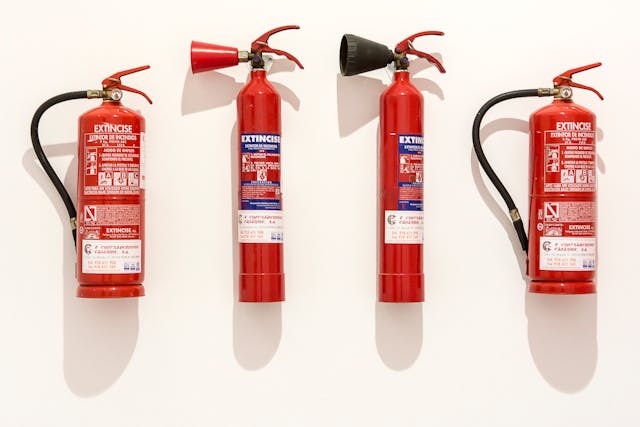
Ensuring the safety of your people is your priority, but in some cases, you may be able to contain or completely extinguish a fire, sometimes with the aid of your team. Ensuring the proper placement of equipment like fire extinguishers, especially those that are designed for the appropriate type of risk, be it an electrical fire, chemical fire, or otherwise, and training your team to use them can help them quash hazards before they become real emergencies. Fitting your office with a sprinkler system that responds automatically in the event of a fire alarm can also help to control fires. Even if they’re not able to put fires out completely, they can prevent them from spreading as quickly as they might otherwise.
Passive Protection And Suppression
One of the biggest dangers with fires in the workplace is how quickly not only the flames, but also the smoke, can travel through the workplace. Mitigating that spread, protecting escape routes, and limiting damage are important, and using fire doors as well as hardware such as fire-resistant glass can help you maintain safety between different parts of the building. The effectiveness of these installations does depend largely on regular inspection and making sure that components such as closers, seals, and latching systems are working as expected. Just as important is making sure that these doors are not jammed or propped open, which can stop them from working as intended.
Employee Training An Emergency Planning
Even the best safety systems are ineffective if employees don’t know how to respond during an emergency. Regular fire safety training ensures staff understand evacuation procedures, alarm signals, and how to use firefighting equipment when it’s appropriate, or when they should prioritize getting out of there. Make sure that you conduct routine fire drills to help employees see these procedures in action, as well as to find any gaps or potential risks in your plan that you should address. A good fire emergency procedure plan should design fire wardens and safety officers within the staff and make sure that you have clear lines of communication, no matter how dire the situation might be. A well-trained workforce can act quickly and calmly, reducing panic and ensuring a safer, more organized response.
Fire safety isn’t something you should do just to meet compliance needs and then forget about; it’s something you should consistently manage with the right tools, training, and preparation.


Add comment